
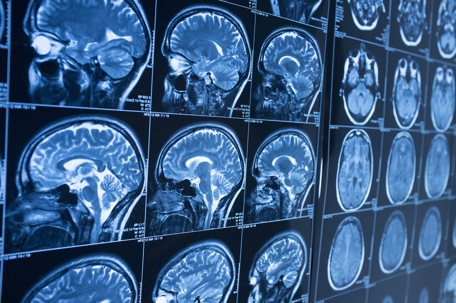
Treatment for a traumatic brain injury depends on the injury’s severity, symptoms, imaging, medical history, and the person’s changing needs. Mild injuries such as concussions may be managed with medical evaluation, symptom treatment, and a supervised gradual return to activity. Moderate or severe injuries may require emergency stabilization, surgery, medication, inpatient care, and months or years of rehabilitation.
There is no single recovery schedule. A person can have a significant brain injury without losing consciousness, and a normal initial scan does not necessarily explain every concussion symptom. Anyone with new or worsening symptoms after a blow or jolt to the head or body should seek appropriate medical care.
When is a brain injury an emergency?
Call 911 or seek emergency care for danger signs such as a worsening headache, repeated vomiting, seizure, increasing confusion or agitation, slurred speech, weakness or numbness, unequal pupils, inability to recognize people or places, unusual drowsiness, or difficulty waking.
Do not drive yourself if your symptoms could interfere with safe driving. Emergency clinicians may evaluate consciousness, memory, balance, pupils, strength, and other neurological functions. CT or MRI imaging may be used to look for bleeding, swelling, fractures, or other structural injury when medically indicated.
How are mild traumatic brain injuries and concussions treated?
For many concussions, treatment begins with a period of relative physical and cognitive rest under a clinician’s guidance, followed by a gradual return to normal activity. Prolonged total isolation in a dark room is not a universal treatment. The appropriate amount of rest and the timing of activity depend on the person’s symptoms and medical advice.
Care may address:
- Headache, dizziness, nausea, light or noise sensitivity, and fatigue.
- Sleep disturbance.
- Balance and vestibular problems.
- Problems with attention, memory, processing speed, or executive function.
- Mood changes, anxiety, irritability, or depression.
- School, work, driving, and screen-time restrictions or accommodations.
People should discuss medication choices with their treating professional, especially soon after a head injury or when taking blood thinners. Returning too quickly to sports, hazardous work, driving, or other activities can create a risk of another injury.
How are moderate and severe brain injuries treated?
Emergency treatment focuses on maintaining oxygen and blood flow, controlling bleeding and pressure inside the skull, stabilizing other injuries, and preventing secondary brain damage. Depending on the injury, surgery may be needed to remove a blood clot, repair a skull fracture, control bleeding, or relieve pressure.
Intensive-care treatment may include respiratory support, seizure prevention or treatment, intracranial-pressure monitoring, medication, nutrition, and management of complications. The exact plan must be individualized by the medical team.
What rehabilitation may be part of recovery?
Brain-injury rehabilitation is often interdisciplinary. The team may include a rehabilitation physician, neurologist, neuropsychologist, physical therapist, occupational therapist, speech-language pathologist, psychologist or counselor, vocational specialist, social worker, and case manager.
Rehabilitation may include:
- Physical therapy for strength, coordination, endurance, and mobility.
- Occupational therapy for self-care, household activities, work tasks, and adaptive strategies.
- Speech-language therapy for communication, cognition, and swallowing.
- Vestibular or balance therapy.
- Cognitive rehabilitation for memory, attention, planning, and problem-solving.
- Behavioral-health treatment for depression, anxiety, trauma symptoms, or adjustment.
- Vision evaluation and treatment when visual symptoms persist.
- Vocational rehabilitation and a structured return-to-work plan.
- Assistive devices, home modifications, transportation support, and caregiver training.
Recovery is rarely a straight line. Symptoms may become more apparent when a person tries to resume a demanding job, school schedule, parenting role, or complex daily routine.
Why is follow-up care important?
A person discharged from the emergency department may still need follow-up with a primary-care clinician or specialist. Persistent headaches, sleep problems, cognitive changes, mood symptoms, dizziness, balance problems, or reduced ability to work should be reported accurately.
From both a medical and legal perspective, long gaps in care can make it harder to understand how the condition evolved. That does not mean every missed appointment has the same significance. Transportation, finances, insurance authorization, memory problems, and the injury itself can interfere with treatment. Document those barriers and ask the provider or claims professional for help addressing them.
How can families document symptoms without exaggerating them?
A simple daily or weekly record can identify patterns that are difficult to remember during a short appointment. Note headaches, sleep, medication, activity tolerance, appointments, work absences, and examples of cognitive or behavioral changes. Family members may observe repetition, irritability, unsafe judgment, or lost skills that the injured person does not recognize.
The goal is accuracy, not creating the most dramatic record possible. Use concrete examples: “needed help following a three-step recipe” is more useful than “memory was terrible.” Share relevant information with the treating team.
What treatment-related evidence may matter in an injury claim?
Medical records, imaging, neuropsychological testing, therapy evaluations, work restrictions, school accommodations, wage records, and testimony from people who knew the person before and after the injury may all be relevant. Future-care planning may also matter when the injury causes lasting needs.
Avoid posting videos or statements that can be taken out of context. Insurers may compare public posts with reported limitations. At the same time, an injured person does not need to appear visibly disabled every moment to have genuine symptoms.
Frequently asked questions
Can I have a concussion without losing consciousness?
Yes. Most concussions do not require a loss of consciousness. Symptoms can include headache, dizziness, confusion, memory difficulty, balance problems, sleep changes, and mood changes.
Does a normal CT scan mean there was no concussion?
Not necessarily. Imaging can help identify bleeding, fractures, or other structural problems, but concussion is diagnosed using the history, symptoms, and clinical examination. Follow the treating professional’s advice.
How long does recovery take?
There is no universal timetable. Many people improve within days or weeks, while others experience persistent symptoms. Moderate and severe injuries may require prolonged rehabilitation and support.
Speak with a Northern California brain-injury attorney
A traumatic brain injury can affect far more than medical bills. It may change a person’s work, relationships, independence, and future care needs. The Law Offices of Larry S. Buckley can evaluate the legal issues arising from a collision or other injury event. Call 530-413-0245 or contact the firm online.