
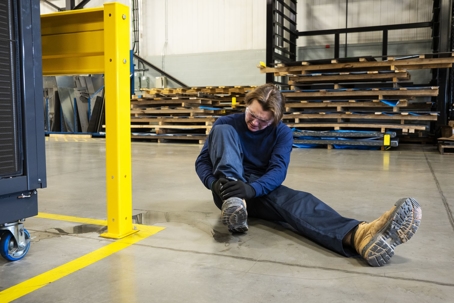
Workers’ compensation covers many on-the-job injuries, but it doesn’t always account for everyone responsible for an accident. A delivery driver struck by another motorist, a construction worker hurt by defective equipment, or an employee injured on property controlled by another business may have a claim beyond the workers’ compensation system.
Accepting benefits doesn’t close every other legal path. We have handled more than a thousand cases, including those involving multiple defendants, and know that identifying an outside defendant early can matter as much as proving the work injury itself.
After a California workplace accident, identifying all liable parties is critical to protecting your financial future. Speak with Law Offices of Larry S. Buckley about a potential third-party injury claim. Call (530) 413-0245 or contact us online to schedule a consultation.
Workers’ Compensation and Civil Claims Serve Different Purposes
Workers’ compensation generally provides benefits from an employer for a qualifying work injury. A separate civil case seeks damages from someone other than the employer whose conduct caused the injury.
Under California Labor Code section 3602(a), workers’ compensation is generally the exclusive remedy against an employer when the statutory requirements apply. In practical terms, an injured employee usually can’t file a negligence lawsuit against the employer for the same workplace injury.
That rule has an important limit. Section 3852 preserves an employee’s right to seek all damages proximately caused by an injury from a person or entity other than the employer. A civil case against an outside party can therefore proceed separately from a workers’ compensation case.
Who May Be Liable Beyond an Employer
An outside party is a person or organization other than your employer that may bear legal responsibility for an injury. Liability depends on who controlled the vehicle, property, equipment, or work activity involved, not simply on where the accident occurred.
Common examples worth reviewing include:
- A negligent driver who causes a crash while you’re driving, making deliveries, or traveling between work sites.
- A property owner or tenant whose unsafe premises contribute to a fall or other injury.
- A subcontractor, vendor, or contractor whose work creates a hazardous condition.
- An equipment manufacturer when a defective product contributes to the accident.
For example, workers’ compensation may cover a warehouse employee’s medical care and disability benefits after a forklift incident. If the forklift failed because of a defect or negligent maintenance by an outside company, the facts may also support a civil case against that company.
A civil case can seek personal injury damages that workers’ compensation doesn’t fully cover, including pain and suffering and the full measure of lost income. The identities of every company and person involved should therefore be reviewed, even if benefits have already begun.
How Workers’ Compensation and a Civil Case Work Together
Pursuing a case against a non-employer doesn’t itself end a worker’s right to seek California workers’ compensation benefits. Both proceedings can move forward at the same time, but they must be coordinated because California law doesn’t allow duplicate recovery for the same losses.
California Labor Code sections 3852 through 3856 govern the relationship between the proceedings. An employer or its insurer that has paid benefits may have reimbursement rights, often called a workers’ compensation lien. Through subrogation, the employer or insurer seeks reimbursement from the outside party for benefits it paid.
When an employee brings the civil case and obtains a recovery, litigation costs and the employee’s attorney fees are addressed before the employer’s lien under section 3856. The lien amount and its effect depend on the benefits paid, the recovery, the parties’ procedural positions, and other case-specific facts. A settlement offer isn’t necessarily the amount an injured worker can retain after lien coordination.
Section 3852 also generally allows an employer to bring its own claim or action against the outside party. The benefits proceeding and civil case should therefore be treated as connected rather than resolved without considering how one affects the other.
Civil Lawsuit and Government Claim Deadlines Differ
Claims against outside parties have deadlines separate from workers’ compensation timelines. For a lawsuit against a private party, California Code of Civil Procedure section 335.1 generally gives an injured person two years from the date of injury to file suit.
Government involvement creates a much earlier deadline. Under California Government Code section 911.2, a person with a personal injury claim against a public entity generally must present a formal government claim within six months after the claim accrues. Presenting that claim is different from filing a lawsuit, and reporting the work injury to an employer doesn’t satisfy the requirement.
The shorter deadline may apply when a government-owned vehicle is involved, an injury occurs on public property, or a public agency’s conduct contributes to the accident. A case involving a city, county, state agency, or public district needs prompt review because missing the claim-presentment deadline can jeopardize the right to pursue a civil lawsuit.
Information That Can Preserve a Civil Case
Early information often reveals whether someone outside the employer contributed to an accident. Seeking medical care and reporting the injury through the appropriate workplace process remain important, but so does preserving evidence.
Keep or request the following records when available:
- Accident, incident, police, or workplace investigation reports.
- Photographs and video of the location, vehicles, equipment, hazards, and visible injuries.
- Names and contact information for witnesses, drivers, contractors, property managers, and vendors.
- Work assignments, delivery records, equipment inspection logs, maintenance records, and product information.
- Medical records, bills, work restrictions, and documentation of time missed from work.
Don’t assume that a company named in an incident report is your employer or that your employer controlled every part of the worksite. Corporate relationships can be complicated, particularly on construction sites, in transportation work, and when another company supplies or maintains equipment. A careful review should identify every potentially liable person and entity before evidence disappears.
Coordinating Benefits and Claims Involving Multiple Defendants
We examine the available benefits, possible civil liability, evidence, and deadlines together. This coordinated review is especially important when several people or entities contributed to an accident.
Our approach may address:
- Workers’ compensation benefits: Benefit questions, denied claims, eligibility issues, medical care, temporary disability, permanent disability, vocational rehabilitation, supplemental job displacement benefits, and death benefits.
- Civil liability: Claims against multiple defendants when the facts indicate that more than one person or entity contributed to the injury.
- Technical and medical evidence: Work with accident reconstruction professionals, biomechanical engineers, medical professionals, vocational rehabilitation counselors, and economists when appropriate.
- Case-specific constraints: Whether a civil case is viable depends on the evidence, potentially liable parties, insurance coverage, deadlines, and applicable law.
Possible outside defendants should be identified early, particularly when a government entity is involved, or key evidence is in someone else’s possession.
To discuss how your benefits and civil options fit together, contact Law Offices of Larry S. Buckley at (530) 413-0245.